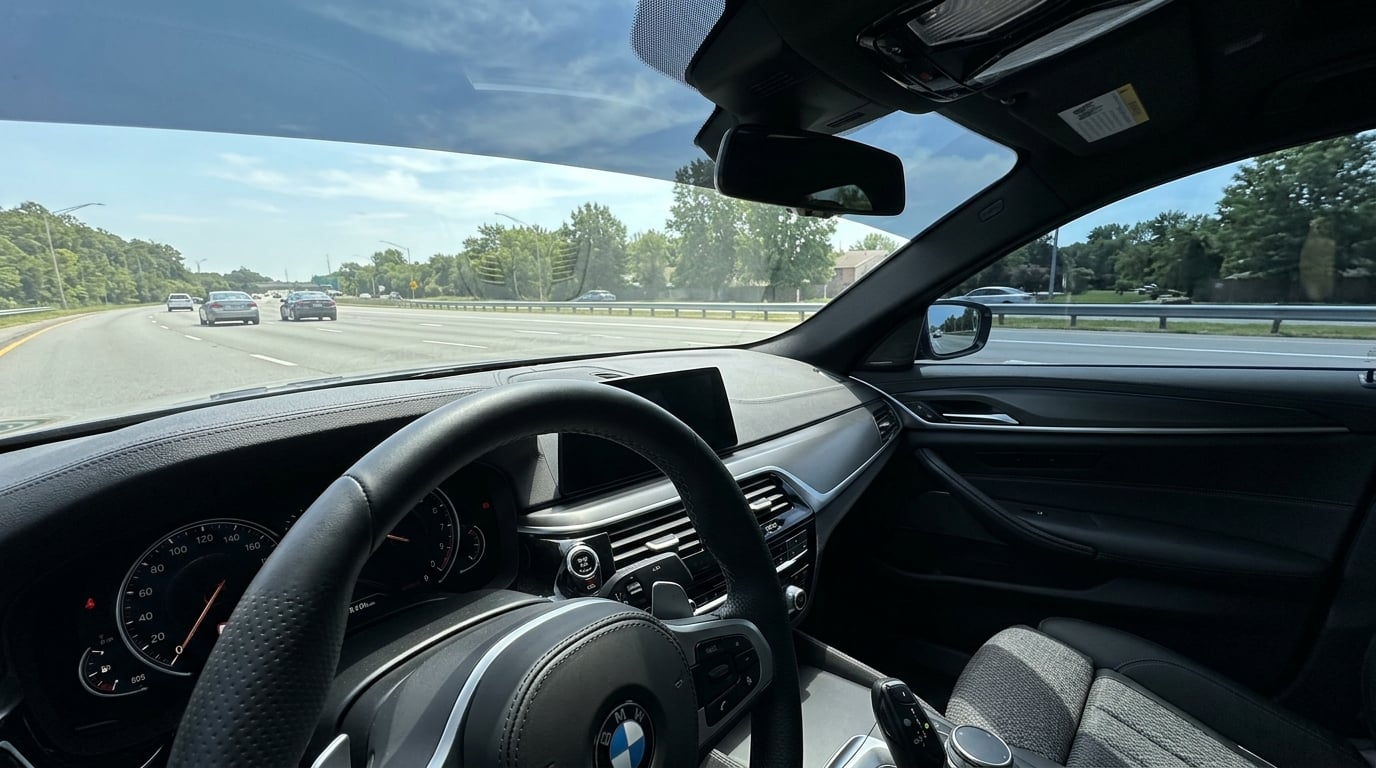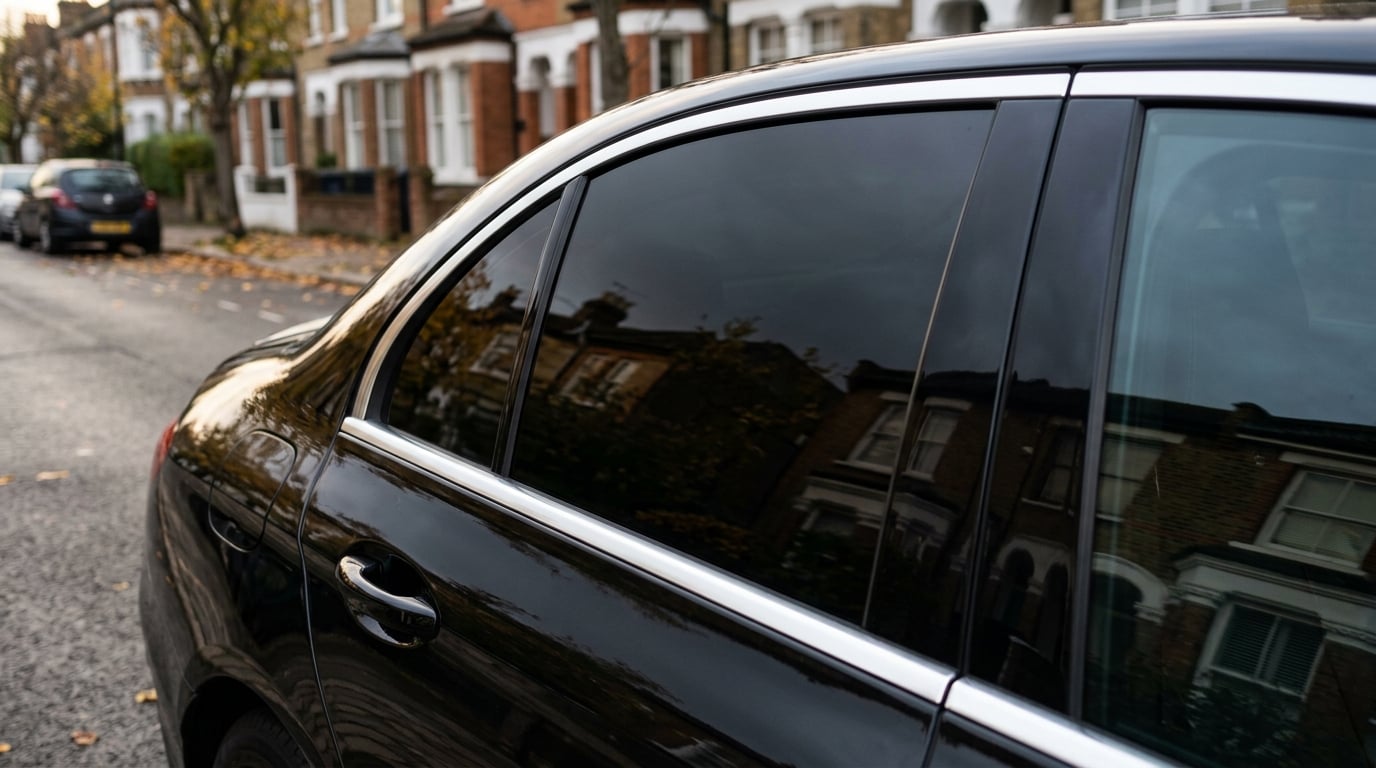
Window tinting is one of the most popular upgrades UK drivers make to their cars — and for good reason. Done properly, it cuts glare, blocks heat and harmful UV, adds privacy and gives almost any vehicle a cleaner, more finished look. Done badly, or fitted illegally, it can land you with a prohibition notice and a failed inspection.
This guide pulls together everything you need to know before you book, written from years of hands-on experience tinting cars at our unit in Stoke-on-Trent. We'll cover the UK law in plain English, explain what VLT percentages actually mean, compare the different types of film, run through realistic costs, and show you how to keep your tint looking sharp for years.
What is window tinting?
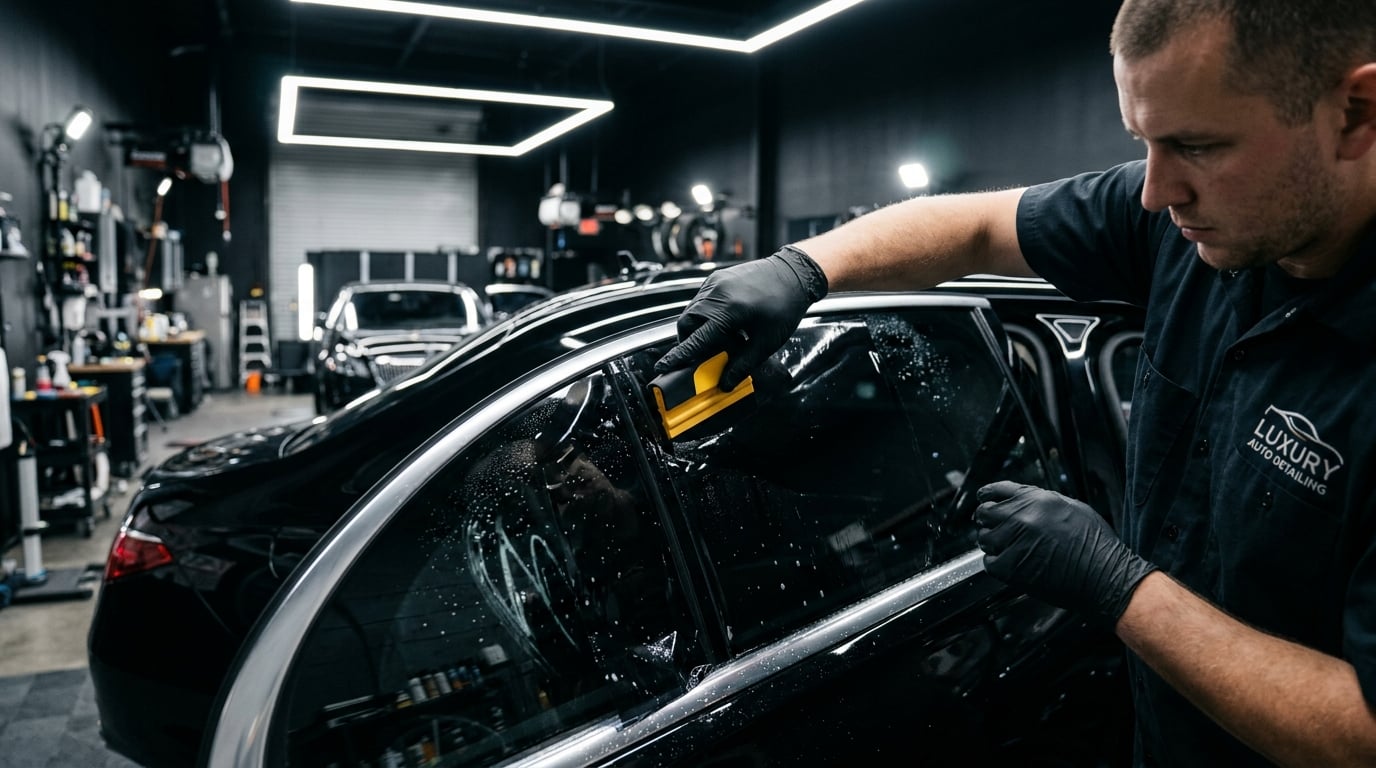
Window tinting is the process of applying a thin, self-adhesive polyester film to the inside of your car's glass. The film is precision-cut to the shape of each window — increasingly using computer-cut patterns rather than hand-trimming on the glass — then squeegeed into place and left to cure.
Modern films do far more than just darken the glass. Depending on the technology, a good film rejects a significant proportion of solar heat, blocks up to 99% of UV rays, reduces glare and adds a layer of shatter resistance to the glass. The shade you see from the outside is only part of the story.
Factory privacy glass vs aftermarket tint
Many cars leave the factory with "privacy glass" on the rear windows. This is dark tinted glass, not film — the colour is in the glass itself. It looks the part but often offers surprisingly little heat or UV rejection compared with a quality aftermarket film. Plenty of our customers add a proper film over factory privacy glass specifically to gain the heat and UV benefits, or tint the front windows to match the darker rears.
UK window tint law: the essentials
This is the part that trips people up, so let's be crystal clear. UK tinting law is based on Visible Light Transmission (VLT) — the percentage of light the glass lets through. The higher the number, the lighter the glass. A 70% VLT film lets 70% of light through; a 5% "limo" film lets only 5% through.
For cars first used on or after 1 April 1985, the legal limits are:
- Front windscreen: must let at least 75% of light through.
- Front side windows (driver and front passenger): must let at least 70% of light through.
For older cars (first used before 1 April 1985), both the windscreen and front side windows must let at least 70% of light through.
Crucially, there is no legal limit on the rear side windows or the rear windscreen. You can go as dark as you like on the back of the car — including full "limo" black — and remain completely road-legal. This is why the most popular job we do is tinting the rear windows dark while leaving the fronts light or untinted.
Because factory glass already blocks a little light, a professional installer won't fit dark film to your front side windows — even a light film on top of the glass can push you below the 70% limit. If anyone offers to tint your fronts dark and "keep it legal", walk away.
What happens if your tint is illegal?
Police and DVSA officers can use a tint meter at the roadside. If your front glass is too dark, you can be issued a prohibition notice ordering you to remove the tint, along with a penalty. Selling or fitting illegally over-tinted glass is also an offence for the installer. Illegal front tint can contribute to a vehicle being deemed not roadworthy.
Does window tint affect your MOT?
The MOT test checks the driver's view of the road. Excessively dark tint on the windscreen or front side windows can result in an MOT failure or advisory. Rear tint is not part of the MOT view assessment. We cover the MOT question, tint meters and DVSA checks in much more detail in our dedicated guide to UK window tint law.
Types of window tint film
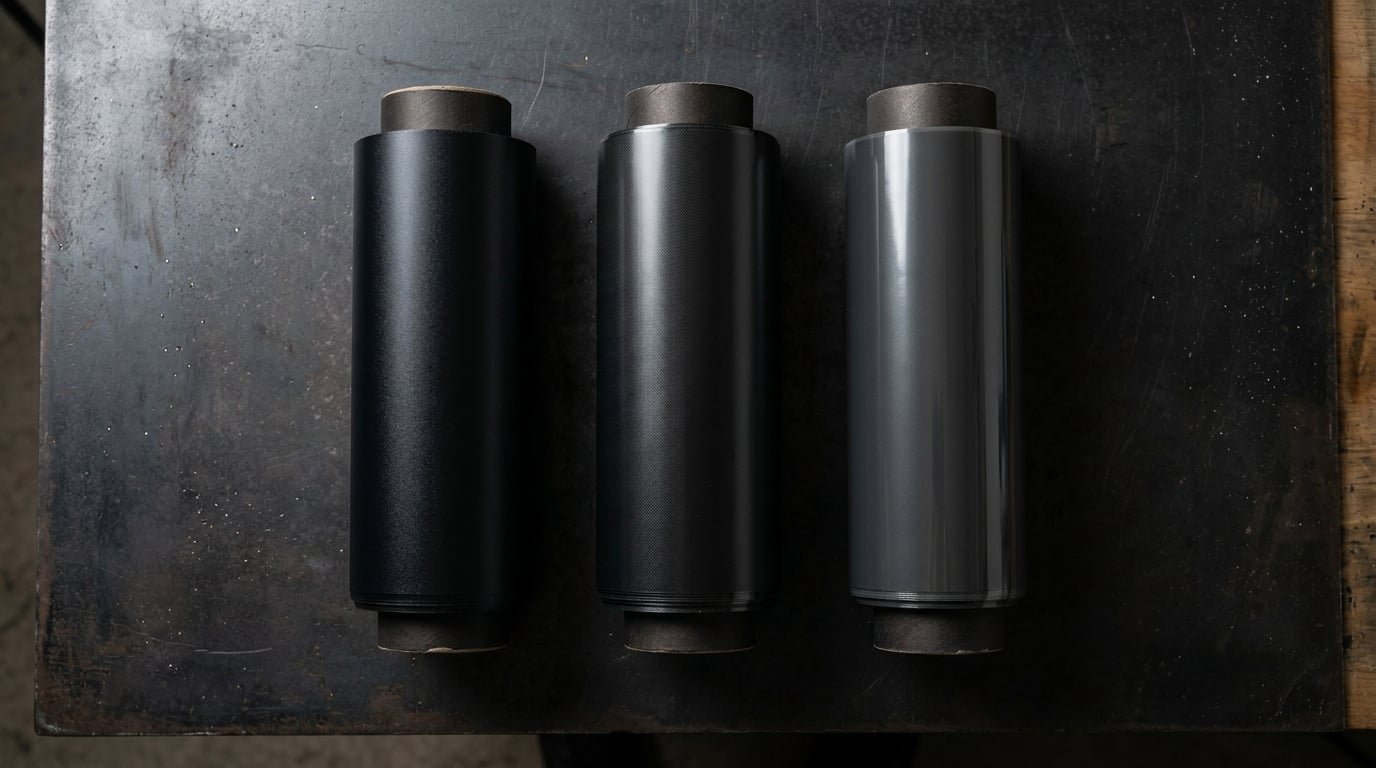
Not all tint is created equal. The price difference between the cheapest and best films is mostly down to the technology inside them — and it makes a real, noticeable difference to heat rejection and longevity.
Dyed film
The entry-level option. Colour is added via a dye layer. It looks good initially and is the most affordable, but offers the least heat rejection and can fade to a purple hue over years of UV exposure. Fine for a budget cosmetic job, less ideal if heat and longevity matter.
Carbon film
A big step up. Carbon particles give a deep, matte black finish that won't fade, along with much better heat rejection than dyed film. Carbon doesn't contain metal, so it won't interfere with mobile, GPS or radio signals. A great all-round choice for most drivers.
Ceramic film
The premium tier. Ceramic films use non-conductive ceramic nanoparticles to reject the most solar heat and infrared radiation while still looking great — even lighter shades block serious heat. No signal interference, no fading, and the best UV and infrared performance. If you want the coolest cabin and the longest life, this is it.
We break down the real-world differences — and which one is worth your money — in our full comparison of ceramic vs carbon vs dyed window tint.
The benefits of window tinting
Heat and comfort
A quality tint can dramatically reduce how hot your cabin gets in summer, easing the load on your air-con and keeping seats and the steering wheel cooler. Ceramic films are the standout here.
UV protection
Good film blocks up to 99% of UVA and UVB rays. That protects your skin on long drives and stops your dashboard, seats and trim from fading and cracking over time.
Glare reduction
Low winter sun and headlight dazzle at night are genuinely dangerous. Tint cuts glare and makes driving more comfortable and safer on the eyes.
Privacy and security
Darker rear glass keeps prying eyes off your belongings and passengers. It's a simple deterrent against opportunist theft.
Style and resale
Let's be honest — tint just looks good. A tasteful shade tightens up a car's appearance and, done professionally, is a desirable feature for buyers.
Shatter resistance
The film holds glass together if a window breaks, adding a small but real safety benefit.
How much does window tinting cost?
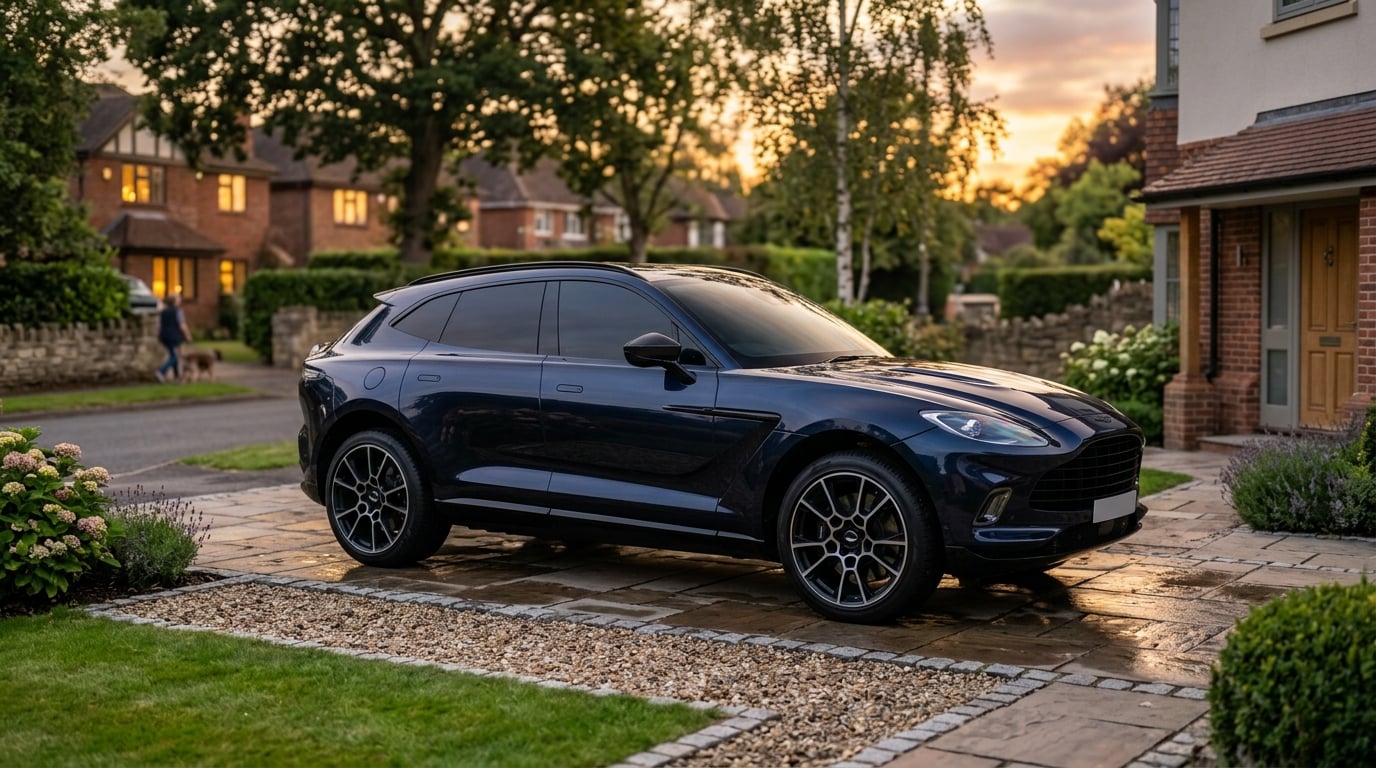
Cost depends on the size and shape of your car's glass, how many windows you're doing, and — most of all — the grade of film. As a rough UK guide, tinting the rear windows of a typical hatchback or saloon with quality film starts in the low-to-mid hundreds, with full-car ceramic jobs on larger vehicles costing more. Complex glass (steep curves, small quarter windows) takes longer to fit and costs a little more.
Cheap deals almost always mean cheap dyed film and rushed fitting — which is a false economy when it bubbles or fades within a couple of years. We break down realistic 2026 prices for every film type and vehicle size in our window tinting cost guide.
The professional tinting process
Here's what a proper install looks like at our unit:
- Deep clean: every window is cleaned inside and out — the single biggest cause of bubbles and specks is dust trapped under the film.
- Precision cutting: film is computer-cut or carefully hand-cut to each window's exact shape.
- Application: the film is applied to the inside of the glass and squeegeed to remove all water and air.
- Curing: the film needs a few days to fully bond and dry out — a little haze or tiny water pockets during this period are normal and disappear as it cures.
This is skilled work. A rushed job in a draughty unit will trap dust and leave creases; a clean, controlled environment and an experienced fitter make all the difference.
Window tint aftercare
Looking after fresh tint is easy if you follow a few rules:
- Don't roll the windows down for at least 3–5 days while the film cures.
- Don't clean the inside of the glass for a week or so.
- Once cured, clean with a soft microfibre cloth and an ammonia-free glass cleaner — ammonia degrades the film over time.
- Avoid scraping the glass with anything sharp.
Treated well, a quality carbon or ceramic film will look great for many years.
Choosing a tinting installer
Tint is only as good as the person fitting it. Look for an installer who works indoors in a clean space, uses named premium film brands, explains the legal limits without being pushed into illegal front tints, and offers a genuine written warranty on both the film and the workmanship. Ask to see previous work and check independent reviews.
Book Window Tinting in Stoke-on-Trent
At Wizz's Wraps in Tunstall, Stoke-on-Trent, we've tinted everything from daily runarounds to show-stopping supercars. Every install uses premium, professionally cut film, is fitted in our clean indoor bay, and is backed by our workmanship guarantee (1-year installation warranty plus 3–5 years on the film itself, depending on the product).
We only fit tint that keeps your car road-legal where the law requires it, and we'll happily talk you through the right shade for your vehicle. Pop in to 31a Parsonage Street, Tunstall, ST6 5HL, call us on 07533 621258, or request a quote through our website. We're rated 4.7★ across 182 Google reviews from drivers across Staffordshire.